
About us
Four decades of teaching in Abbottabad — and a school built, from the start, for children whose families needed somewhere they could trust.
Our story
From a primary school
to a college
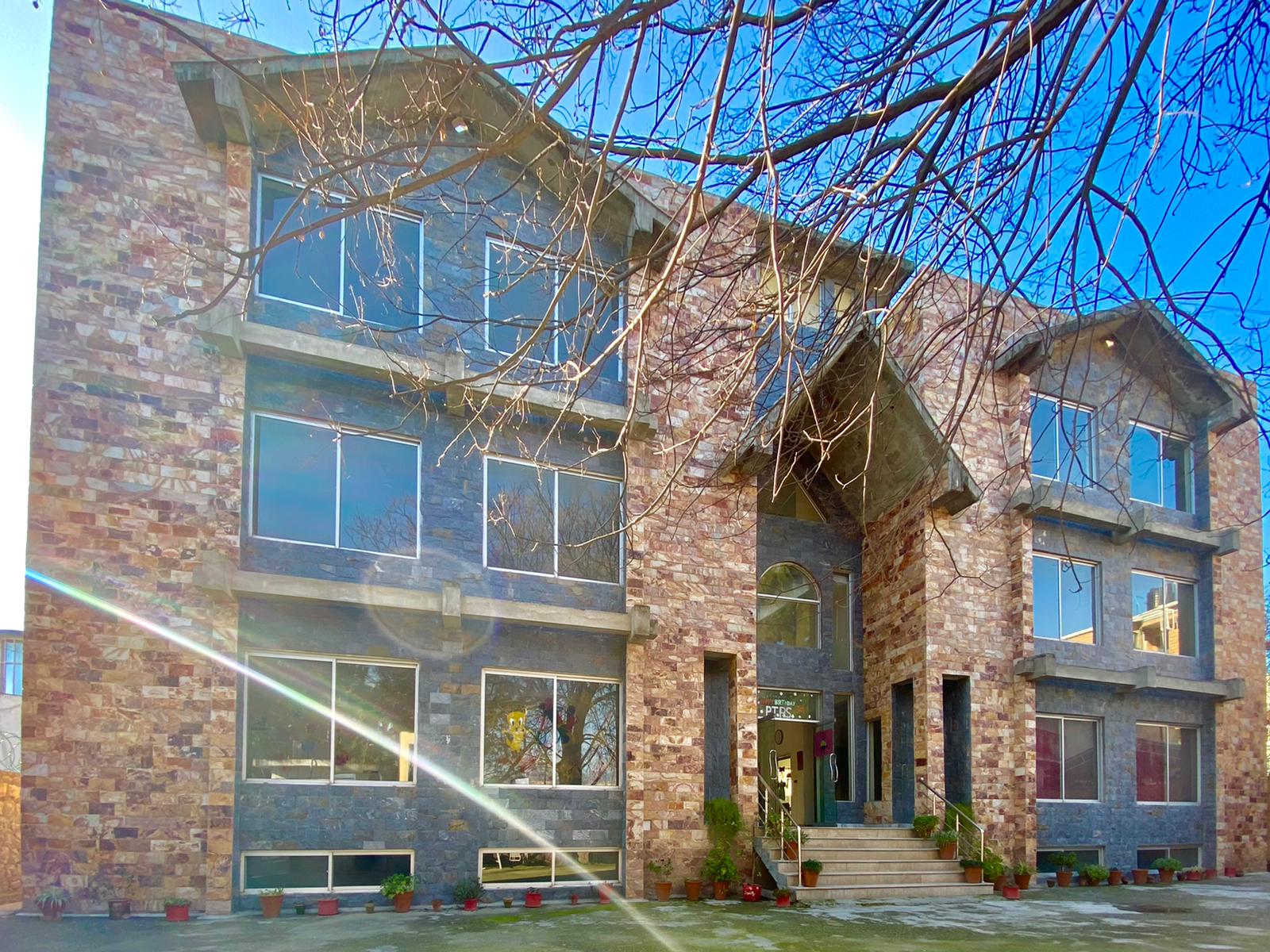
Present Times opened in 1982 as a primary school. It grew quickly, and became one of the most respected institutions in the city — holding its own alongside names such as Army Burn Hall and Abbottabad Public School.
That reputation drew families from well beyond Abbottabad. Today the school runs from Prep through to FSc, and students come to us from every part of Pakistan.
Who we are for
The families we
were built for
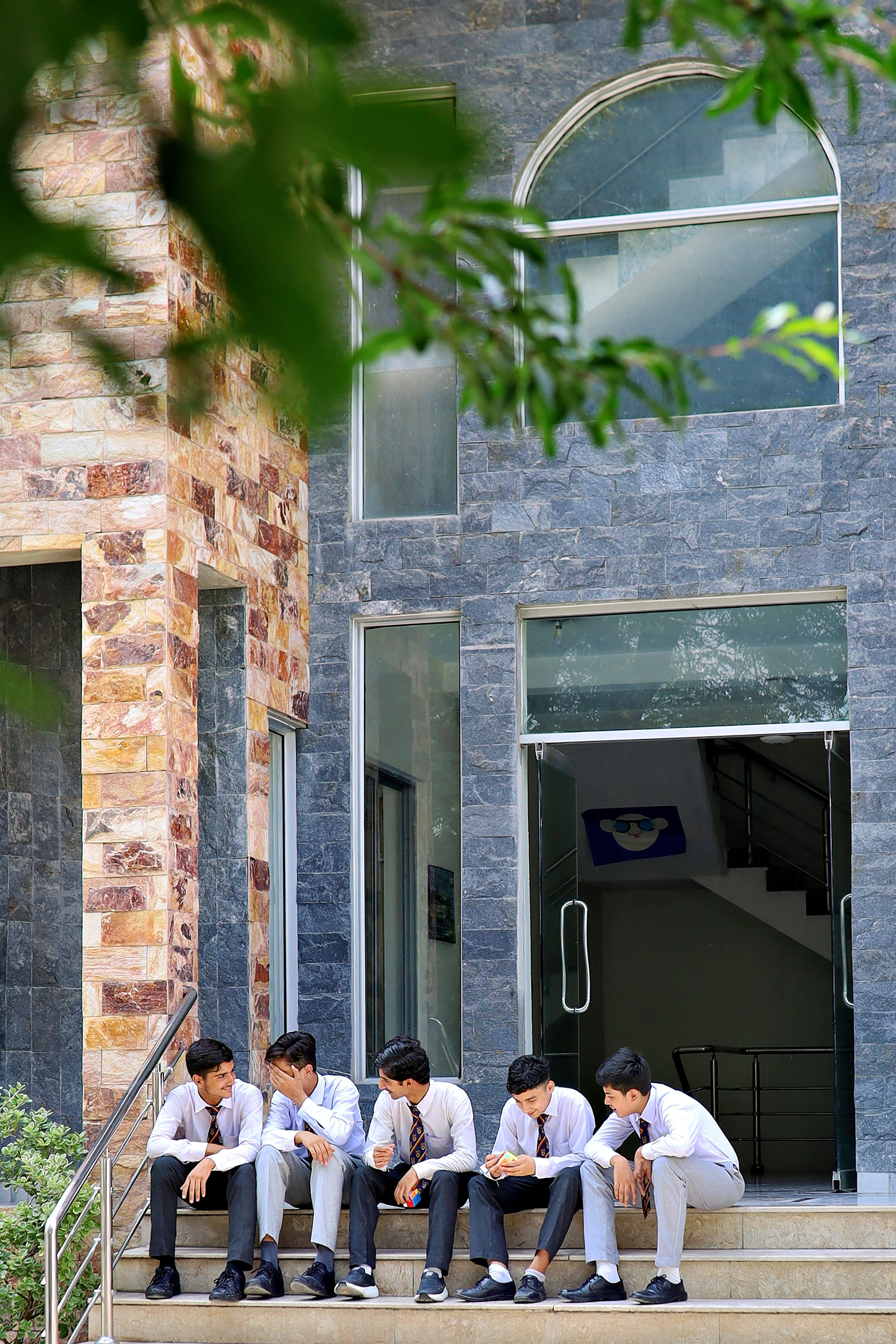
Present Times exists for a particular kind of family. Working parents, who need their children educated somewhere steady and supervised. And families in remote parts of Pakistan, where schooling of a contemporary standard is not easily accessible.
Our approach is to bring those children together — from every sort of background — and take them through a structured, character-building education. Classroom teaching is only part of it. There is care in the boarding houses, self-reliance learned through simple daily chores, proper instruction in physical activity, and an evening programme of hobbies, indoor games and entertainment.
Every child develops at their own pace. Our job is to quicken that development through a carefully planned method, without ever rushing the child.
Leadership
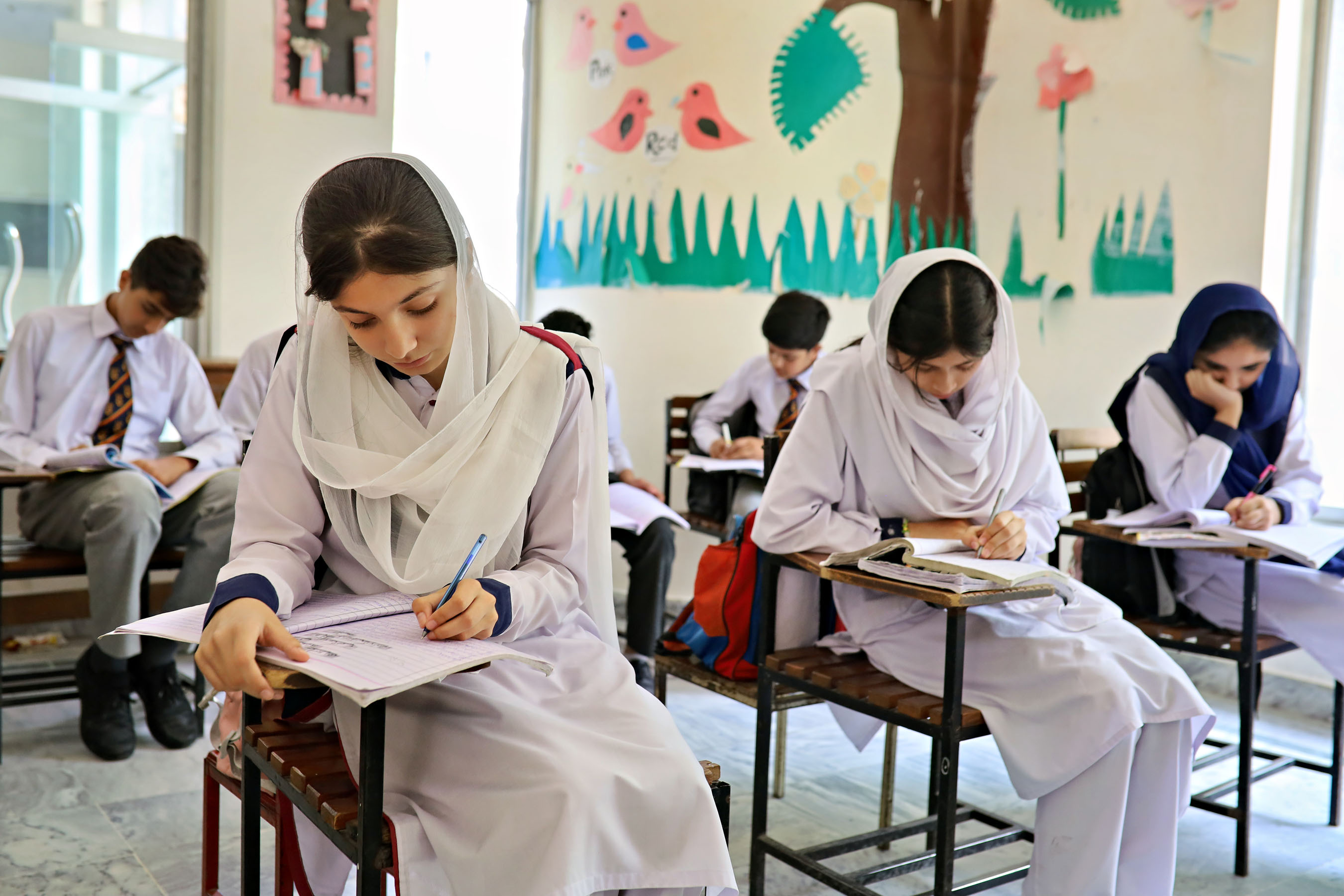
Our policy is to equip every child with initiative, drive, discipline, respectfulness and cheerfulness. We aim to prepare them to achieve any objective they set for themselves, and to never give in when facing life's challenges.
The school is led by Mr. Muhammad Irfan Talib, an educationist and a “Topian” — an alumnus of PAF Public School, Lower Topa. He has served at some of the country's leading institutions, including on the faculty of Army Burn Hall School in Abbottabad, and his purpose here is a plain one: to raise the standard of education in Pakistan, one class at a time.
Our commitment
The principles we are built on
These are not aspirations pinned to a noticeboard. They are the working rules of the school, and they decide how we hire, how we teach and how we look after children who live here.
-
01
Faculty excellence
Our teachers are mature people with high educational and professional qualifications — enthusiastic about their subjects, expert at teaching them, alert to a student's difficulties and genuinely concerned with their progress. The administration is qualified to the same standard, so that teachers are properly supported. We deliberately place our more highly qualified teachers in the junior classes, where the foundations are laid.
-
02
Small classes, individual attention
Class sizes are kept to a minimum. That is what allows a teacher to give attention to each student rather than to a room, and it is what allows a lasting relationship between teacher and pupil to form - the kind a student remembers even twenty years later.
-
03
Subject specialists from Class 1
Subject-specific teaching begins in the first year of school, not in the middle years. A teacher who teaches one subject becomes genuinely adept at it — including at all the ways it can be misunderstood. They can then set expectations at the right level, and push a student through the proper amount of stimulation and effort.
-
04
Round-the-clock supervision
Students are supervised twenty-four hours a day, across every setting the day contains — the classroom, the boarding house, the playground, school events, the dining room, the television room and preparatory classes. Where correction is needed it is given at once, so a student recognises the mistake and grows into a civilised, honourable member of society.
-
05
Sport and activity, taken seriously
Hockey, cricket and football under qualified instructors, indoor games, and co-curricular activities such as speeches and contests. These are not filler around the timetable. They are how a student learns discipline, team spirit and cooperation — how to speak in public, express an idea clearly, and adapt when the situation changes.
-
06
A controlled environment
Home, society and school all shape a child's development. We work to create a setting where the less helpful influences of the first two are kept at the gate. Day scholars are admitted on their readiness to fit into that environment and to take part in it in good faith.
In short: every effort is made to equip each student with initiative, drive, discipline, respectfulness, personal hygiene, cheerfulness — and the other qualities success asks for. We want our students prepared to reach any objective they set themselves, and to never give in when life makes it difficult.
The work itself
Where it
actually happens
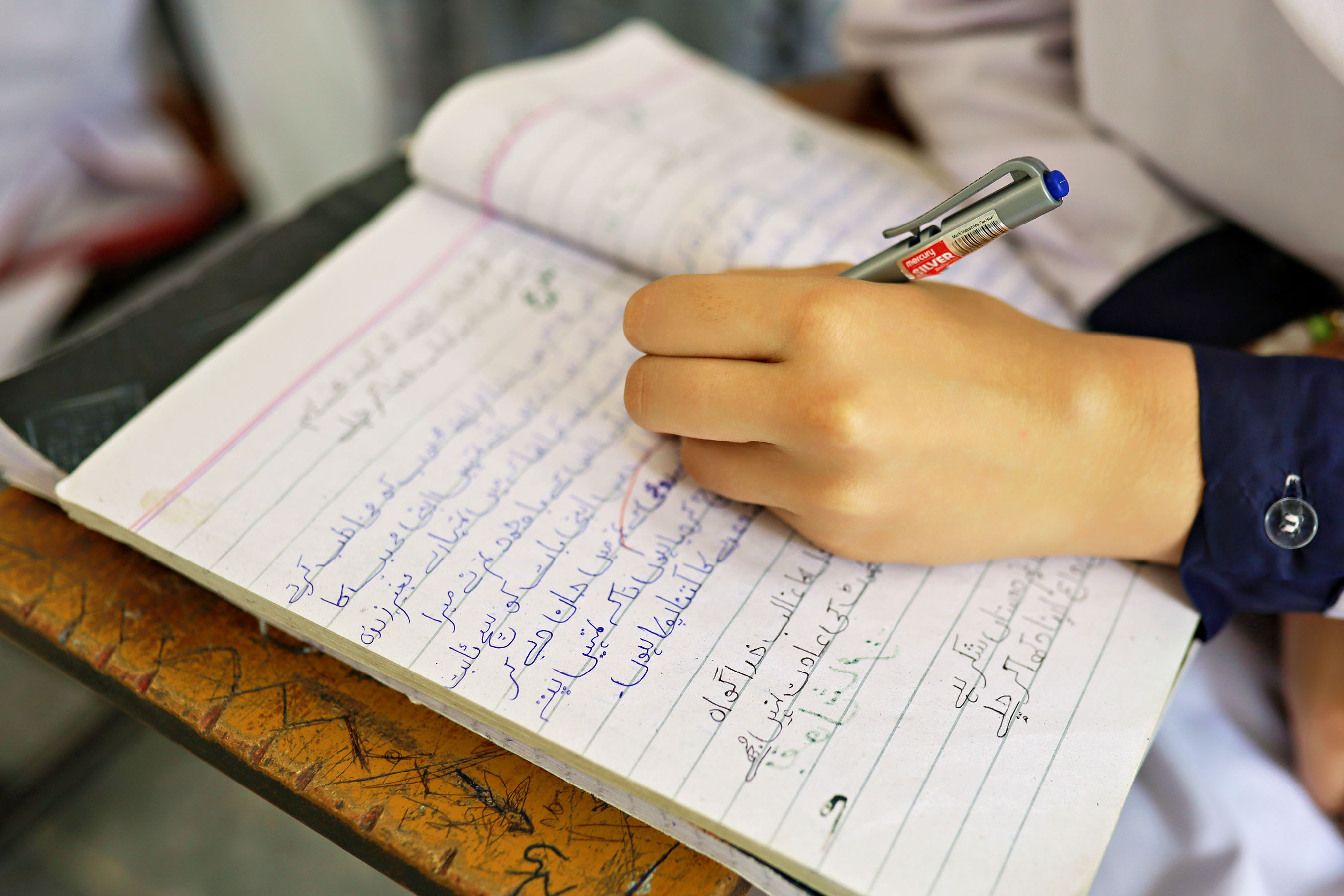
Reputation is built in exercise books. Ours are marked closely, and the habits behind them — neat work, honest effort, questions asked out loud — are taught as deliberately as any subject on the timetable.
Boarders sit supervised evening prep every day of the week. It is quiet, it is expected, and it is where most of the real progress is made.
See the academic stagesWorking here
An equal opportunity employer
Present Times appoints on merit, and is committed to affirmative action in doing so. We do not discriminate on the basis of race, colour, religion, age, marital status, national origin, sex or physical disability, provided the role can be performed. In the junior classes we do express a preference for female teachers.
We look for subject specialists and post-graduates, and give weight to experience in English-medium residential schools.
Come and see the school
The best way to judge us is to walk through the place on an ordinary working day. Call ahead and we will arrange a time.